The Rise of Air-Drying: How to Style Hair Without Heat
Why Heat-Free Styling Is Gaining Ground
Dermatologists and trichologists have been warning about heat damage for years, but the message has finally reached mainstream awareness. A single pass of a flat iron at 400 degrees Fahrenheit can permanently alter the hair's protein structure, and cumulative damage from daily blow-drying leads to split ends, breakage, and a dull, rough texture that no amount of conditioner can fully repair. The shift toward air-drying reflects a broader movement in beauty: fewer aggressive treatments, more emphasis on long-term hair health.
The practical appeal is obvious too — air-drying saves 15 to 30 minutes each morning and eliminates the need for multiple heat-styling tools. But the transition requires more than simply skipping the blow-dryer. Hair that has been heat-styled for years often has a weakened internal structure that needs targeted support to hold a natural shape.
Prep Work Makes the Difference
Successful air-drying starts in the shower. Swap your regular conditioner for a leave-in treatment that provides styling memory — this is the ingredient that tells your hair how to hold its shape as it dries. Ouai Leave-In Conditioner contains amino acids and tamarind seed extract that coat each strand and help it retain its natural wave or curl pattern without stiffness.

After gently squeezing excess water from your hair with a microfiber towel (never rub — friction causes cuticle damage and frizz), apply a styling cream or mousse to soaking-wet hair. This is critical: products absorb most effectively when the hair is fully saturated. Bumble and bumble Bb. Curl Anti-Humidity Gel-Oil works for wavy and curly textures, while John Frieda Frizz Ease Secret Agent Finishing Cream smooths straight hair without weighing it down.
Techniques for Every Hair Type
Straight hair that tends to fall flat gains volume from a simple technique: divide damp hair into four sections and twist each into a loose bun secured with a claw clip. Let it air-dry completely — usually two to three hours — then release and finger-comb. The twists create natural bends at the roots that lift the hair away from the scalp. For extra texture, scrunch a sea salt spray like Bumble and bumble Surf Spray into the mid-lengths before twisting.
Curly and coily hair benefits from the "shingling" method: apply a curl cream like SheaMoisture Coconut & Hibiscus Curl & Style Milk to small sections, smoothing each one between your fingers from root to tip to define the curl pattern. Once all sections are coated, do not touch your hair again until it is completely dry — every touch disrupts the cuticle and creates frizz. This requires patience (four to six hours for thick hair) but produces the most defined, bouncy curls possible without heat.
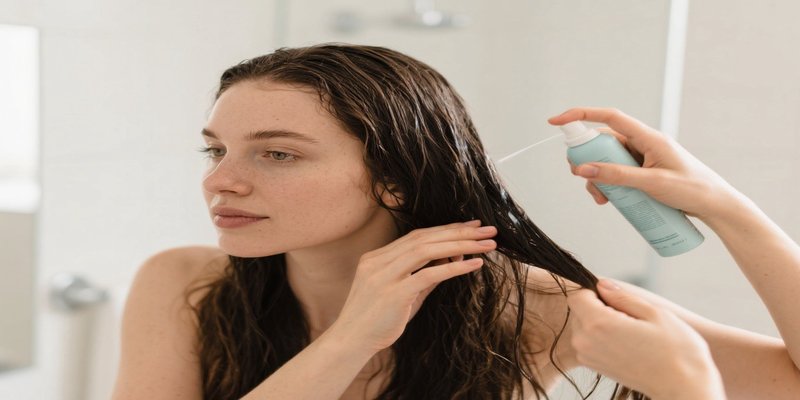
Wavy hair sits between these two extremes and responds well to braiding. Create two loose braids on damp hair and let them dry — when you unravel them, you'll get soft, beachy waves. The tighter the braid, the more pronounced the wave. For a more relaxed look, use a single loose braid or simply twist sections around your fingers and pin them flat against your head.
Managing the Transition Period
If you've been heat-styling daily, the first two to four weeks of air-drying can be frustrating. Your hair may seem limp, frizzy, or oddly shaped as it adjusts to its natural texture. This is normal — heat styling alters the hair's hydrogen bonds, and it takes time for those bonds to reset to their natural state. Weekly deep conditioning treatments with Olaplex No. 3 Hair Perfector repair the internal disulfide bonds that heat has broken, accelerating the recovery process.

Most Read
Why More Men Are Getting Cosmetic Procedures
Nail Stamping: Professional Designs in Minutes

Jawline Contouring: Surgical and Non-surgical Options
The Clean Hair Care Movement: Sulfate-Free and Silicone-Free
How to Layer Multiple Active Ingredients Safely: Essential Ski...